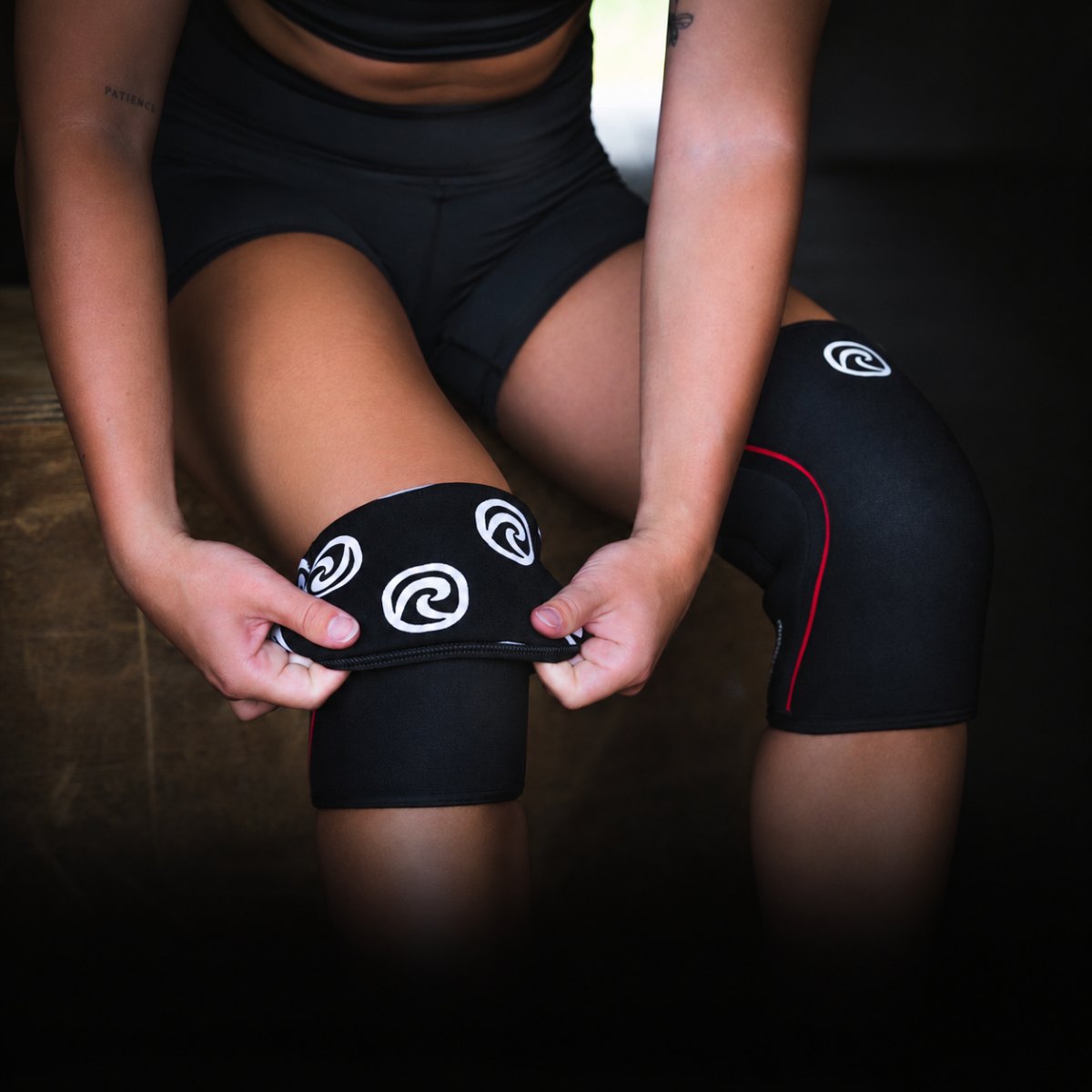
Why Injury-Specific Support Matters
Sports injuries often result from overload, instability, sudden impact or insufficient recovery. The right compression and supportive braces won't heal an injury on their own, but they can play a valuable role in training and recovery by:
- Providing targeted stability to vulnerable joints such as the knee, ankle and elbow
- Limiting excessive or unwanted movement that can aggravate an injury
- Supporting proprioception — your body's sense of joint position and control
- Maintaining warmth around muscles and tendons to help them stay supple
- Helping athletes gradually and confidently return to sport after a setback
Neoprene-based supports are widely used across sports thanks to their elasticity, durability and ability to deliver consistent compression and warmth without restricting natural movement.
Supports are not a substitute for medical diagnosis. Persistent pain, swelling or instability should always be evaluated by a healthcare professional before you continue training.
Frequently Asked Questions
What is the most common sports injury?
Knee and ankle injuries are among the most frequent in both recreational and professional sport, particularly ACL injuries, meniscus damage and ankle sprains. Overuse conditions such as runner's knee and shin splints are also very common among endurance and team-sport athletes.
When should I see a doctor for a sports injury?
Seek medical evaluation if you experience severe swelling, joint instability, an inability to bear weight, numbness, or pain that persists for more than a few days. Early professional assessment helps prevent a minor issue from becoming a long-term problem.
Can compression supports help prevent injuries?
Compression can enhance proprioception, circulation and joint stability, which may help reduce injury risk — especially during high-intensity or high-volume training. It works best as part of a broader routine that includes proper warm-up, technique and recovery.
Should I train with a brace or support?
In many cases yes, particularly during return-to-sport phases or when a joint feels vulnerable. A support can give you confidence and stability while you rebuild strength. Long-term reliance without addressing the underlying cause through rehabilitation, however, is not advised.
How long should I wear a support?
This depends on the injury and your stage of recovery. Many athletes use a support during training and competition and remove it at rest. For guidance on your specific situation, follow the advice of your physiotherapist or doctor.
What size support should I choose?
A support should feel snug and provide firm, even compression without cutting off circulation or causing numbness. Always measure the relevant joint or limb and compare it against the size guide for the specific product before choosing.