
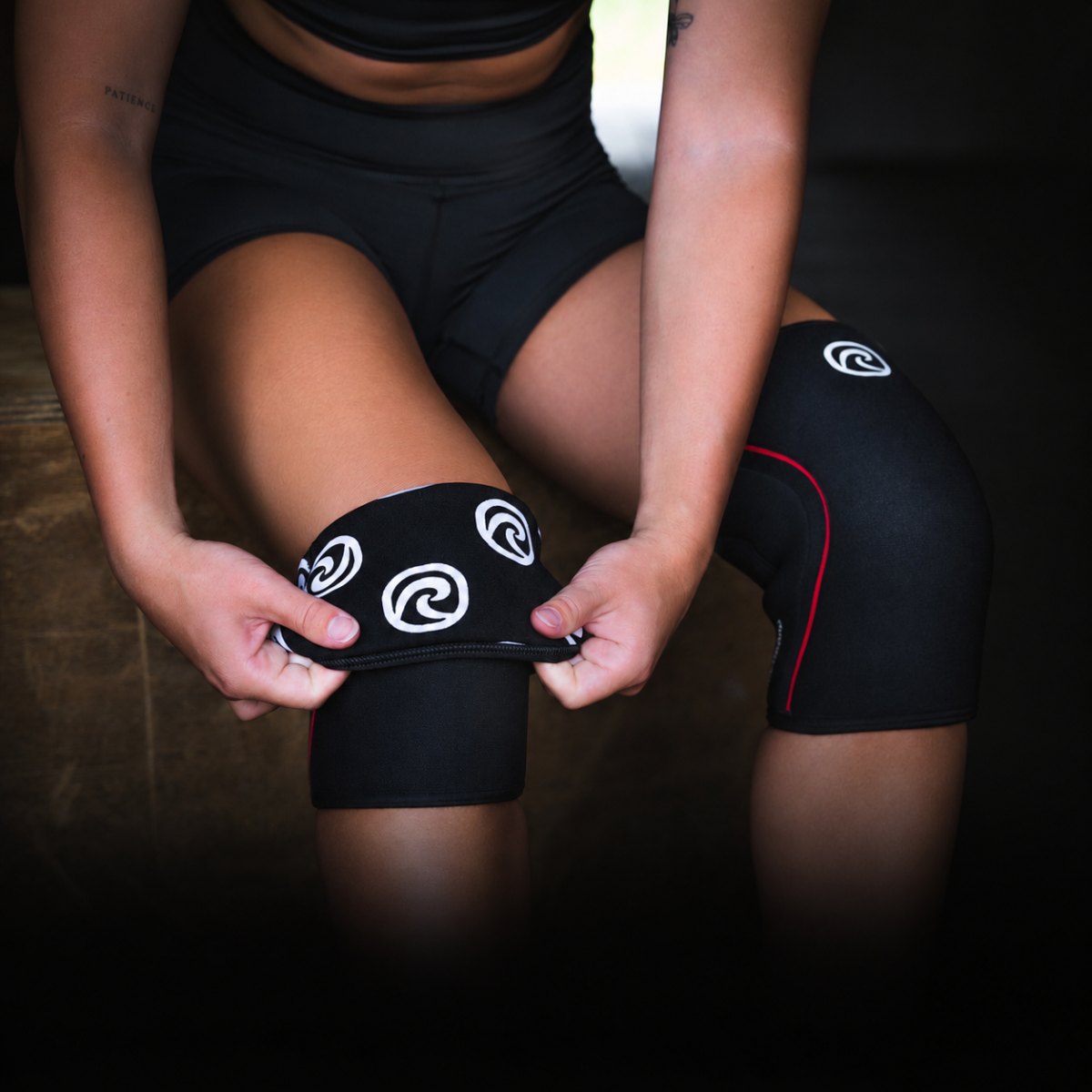


ACL Injuries
Więzadło krzyżowe przednie (ACL) to jedno z najważniejszych więzadeł kolana i jedna z najczęstszych oraz najpoważniejszych kontuzji kolana, szczególnie w sportach z nagłymi zatrzymaniami, skrętami lub zmianami kierunku. Znajduje się w centralnej części kolana i stabilizuje staw, zapobiegając przesuwaniu się piszczeli do przodu względem kości udowej. ACL przeciwdziała przede wszystkim siłom przesuwającym do przodu oraz siłom rotacyjnym, stabilizując staw kolanowy. Gdy więzadło ulegnie zerwaniu lub naderwaniu, może to znacząco ograniczyć zdolność sportowca do dalszego uprawiania sportu.
Urazy ACL występują szczególnie często w sportach takich jak piłka nożna, koszykówka, piłka ręczna, floorball i narciarstwo zjazdowe, gdzie szybkie zmiany kierunku, skoki i lądowania w niekorzystnych pozycjach mocno obciążają kolano. Te sporty wiążą się z szybkimi ruchami, częstymi skrętami i hamowaniem, co zwiększa ryzyko urazów bezkontaktowych. Takie kontuzje najczęściej powstają bez bezpośredniego kontaktu – na przykład przez nagłą zmianę kierunku, zbyt gwałtowne zatrzymanie się lub lądowanie z wyprostowanym kolanem albo w pozycji koślawej (skierowanej do wewnątrz) po skoku. Bezpośredni uraz podczas zderzenia również może spowodować zerwanie ACL, choć zdarza się rzadziej.
Czy wiesz, że? Kobiety są bardziej narażone na bezkontaktowe urazy ACL ze względu na różnice biomechaniczne i anatomiczne.
Sprawdź nasze stabilizatory kolana ACL, zaprojektowane tak, aby chronić i stabilizować kolano podczas sportu i rekonwalescencji.
Early Diagnosis of ACL Injuries
Athletes who suffer an ACL injury may experience a loud "pop" sound at the time of the tear, followed by immediate swelling, instability and difficulty bearing weight on the affected leg. Diagnosis of an ACL injury is critical at an early stage to ensure the appropriate treatment plan is started. Medical professionals typically use physical examinations, such as the Lachman test, the pivot shift test or MRI scans to confirm the diagnosis. MRI also helps in assessing associated injuries (such as meniscal tears or bone bruising), which are common in ACL injuries.
Treatment options vary depending on the severity of the injury and the individual’s activity level. In most cases, surgery is required to reconstruct the torn ligament, especially for those who wish to return to sports that involve pivoting. Post-surgery rehabilitation and physical therapy are essential for restoring strength, flexibility and stability to the knee joint. The rehabilitation process can take 6–12 months. For individuals with a less active lifestyle or minor tears, non-surgical treatments such as bracing and physical therapy may suffice.
Without proper treatment, an ACL tear can lead to long-term issues such as chronic instability, cartilage damage and early-onset arthritis, making it vital to address the injury promptly.

Possible Causes
- Sudden pivot or change in direction
- Abrupt stopping or deceleration
- Landing awkwardly after a jump
- Direct collision or blow to the knee
Symptoms
- A popping sensation may sound at the time of injury
- Rapid swelling of the knee
- Instability or "giving out" of the knee
- Pain and difficulty bearing weight on the injured leg
- Reduced range of motion in the knee joint
Treatments
- Physical therapy, bracing, and activity modification
- Surgical: ACL reconstruction surgery, especially for active people - but not all ACL tears require surgery and some people, particularly those who engage in low-impact activities, may manage well without surgery
- Rehabilitation: Post-surgical physical therapy to restore strength and flexibility
- Prevention: Strength training, proper technique and the use of protective gear, as well as neuromuscular training programs, which focus on improving balance, agility and landing techniques, have been shown to reduce the risk of ACL injuries
These steps are essential to ensure a full recovery and prevent long-term complications.
Disclaimer: No Medical Advice
The content on this website is for general informational purposes only and does not constitute medical advice, diagnosis, or treatment. Always seek the advice of your physician or another qualified health provider with any questions you may have regarding a medical condition or injury.
While we strive to provide accurate and up-to-date information, we make no warranties regarding the completeness, accuracy, or reliability of the content. Use of this information is at your own risk.
In case of acute pain, persistent swelling, or instability, please stop physical activity and consult a healthcare professional promptly.


Damage to the Meniscus
A meniscus injury is a fairly common type of knee damage. We have summarized for you who can be affected, what the causes are and what you can do if you have a meniscus injury.

Patella Dislocation
A patella dislocation, often caused by trauma or twisting, leads to pain, swelling and knee instability. Learn about the causes, symptoms and treatment options, including physicaltherapy and other methods to manage this common sports injury.