

8 Myths about Compression Wear
There has been growing interest in compression wear over the past few years, as more top athletes, national teams and TV athletes have been seen using it. As with any trending product, questions and rumours tend to follow. Physiotherapist Johan Bolin joined Maratonpodden (The Marathon Pod) in Sweden to answer host Petra Månström's questions about compression wear.
Here are some of the myths they discussed.
8 Common Myths About Compression Wear
Jump to a myth:
- 1. Isn’t compression mainly designed for people who are injured or inactive? Why is compression wear becoming a thing in sports?
- 2. I am already performing well and have no injuries. I don’t need compression wear to perform.
- 3. I’ve heard that the term compression wear is not protected – so how can I trust the products I see in stores?
- 4. I’ve heard there is no research to support the benefits of compression wear.
- 5. Aren’t the positive effects people are claiming with compression wear just due to placebo?
- 6. I can understand the point of using compression tights on your whole legs, but do I really benefit from using compression shorts when out running?
- 7. Will some of my muscles get weaker because I’m not activating them when using compression wear?
- 8. I’ve heard that it’s dangerous to use compression wear too much.
1. Isn’t compression mainly designed for people who are injured or inactive? Why is compression wear becoming a thing in sports?
In the medical world, compression garments and socks have long been used to support people with limited mobility or an inactive lifestyle, delivering graduated compression to the legs.
Even in sports, compression wear increases receptive input – you sense different body parts more when compression is applied. More information is sent to the brain, helping you perform each movement better. It’s a mechanical reflex: you feel your knee better if you put your hand around it, for example. That graduated compression also makes it comfortable enough to keep wearing between training sessions.
2. I am already performing well and have no injuries. I don’t need compression wear to perform.
Compression wear benefits all aspects of a workout. It can be used before a workout, delivering graduated compression that helps prepare your muscles for the warm-up. During a workout, it ensures more controlled movement, less vibration of the muscles and increased endurance. And it’s comfortable enough to keep wearing after a workout too, for muscle support between training sessions. These effects can benefit any athlete or active person, regardless of level.
3. I’ve heard that the term compression wear is not protected – so how can I trust the products I see in stores?
“Compression wear” in itself is not a protected name, there are brands marketing tight undergarments as compression and selling it in stores. A piece of advice is to talk with people who are already using it and ask them for recommendations on serious brands.
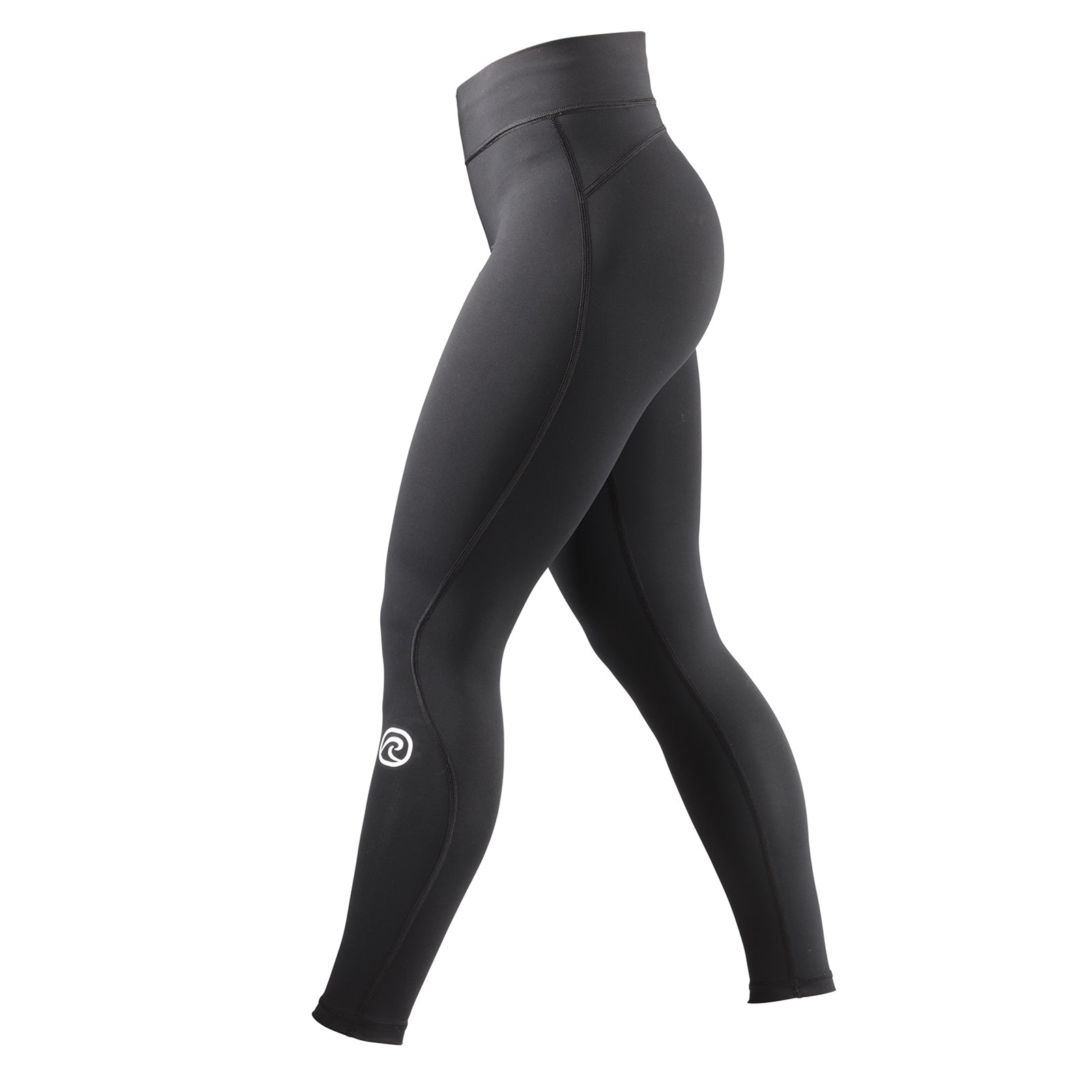
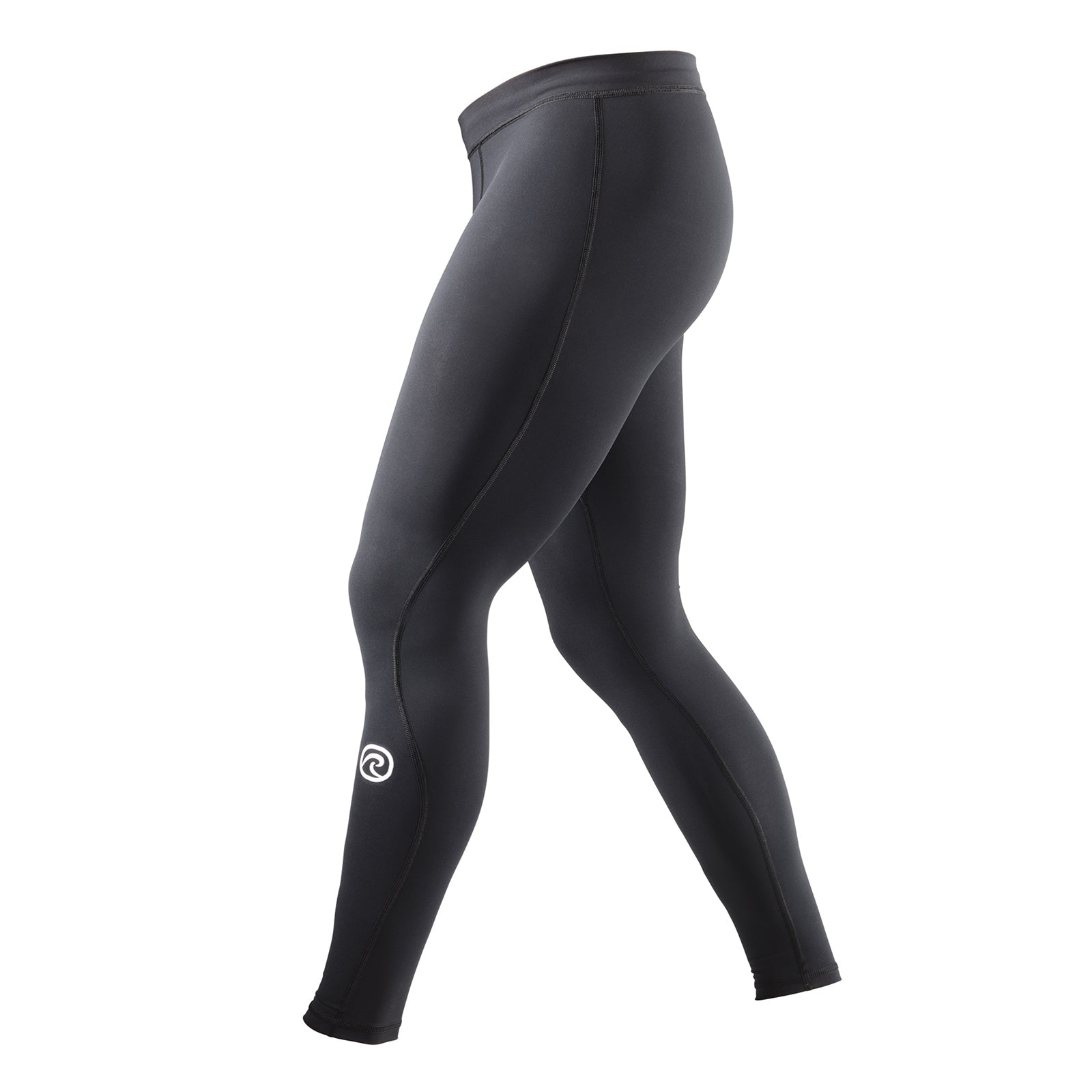
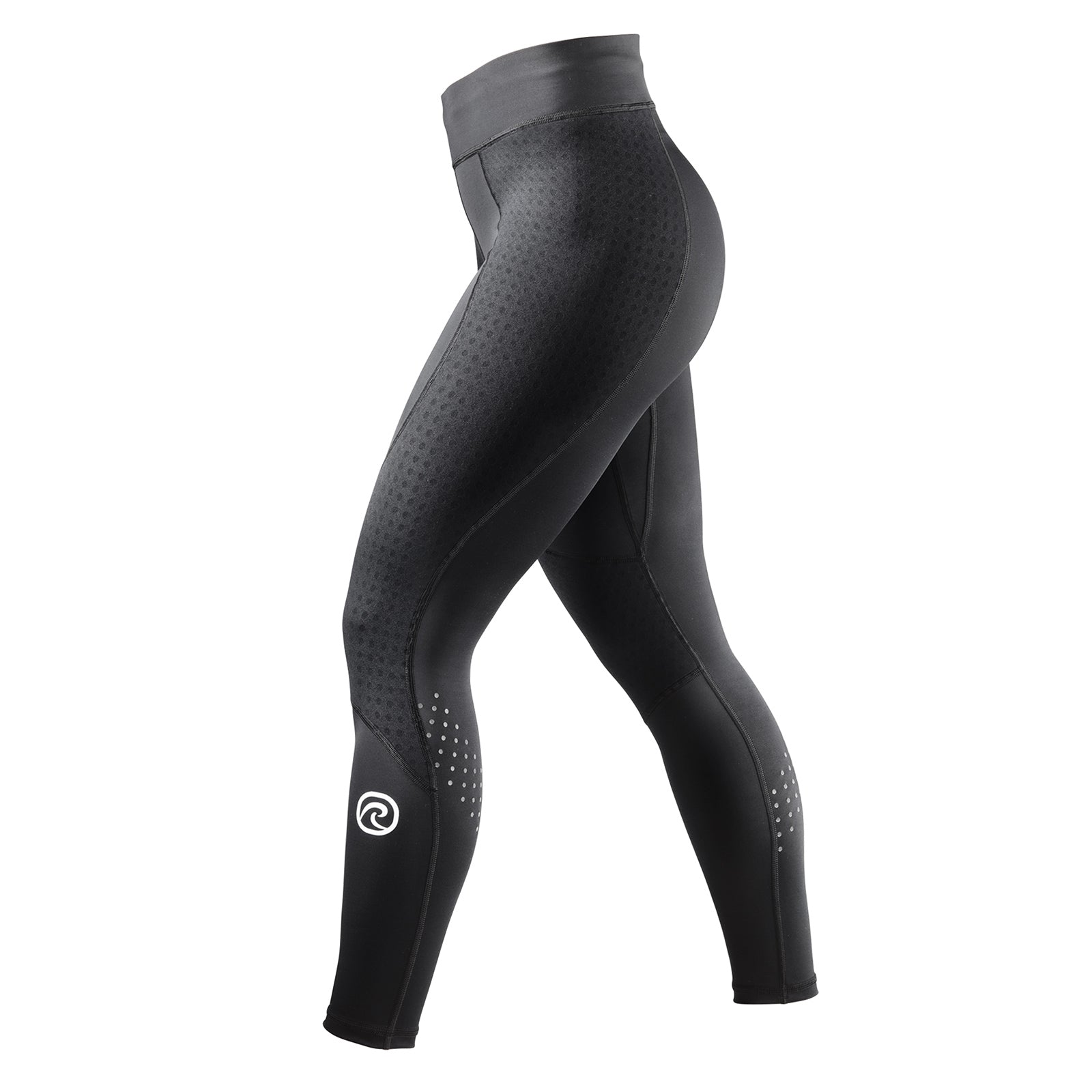
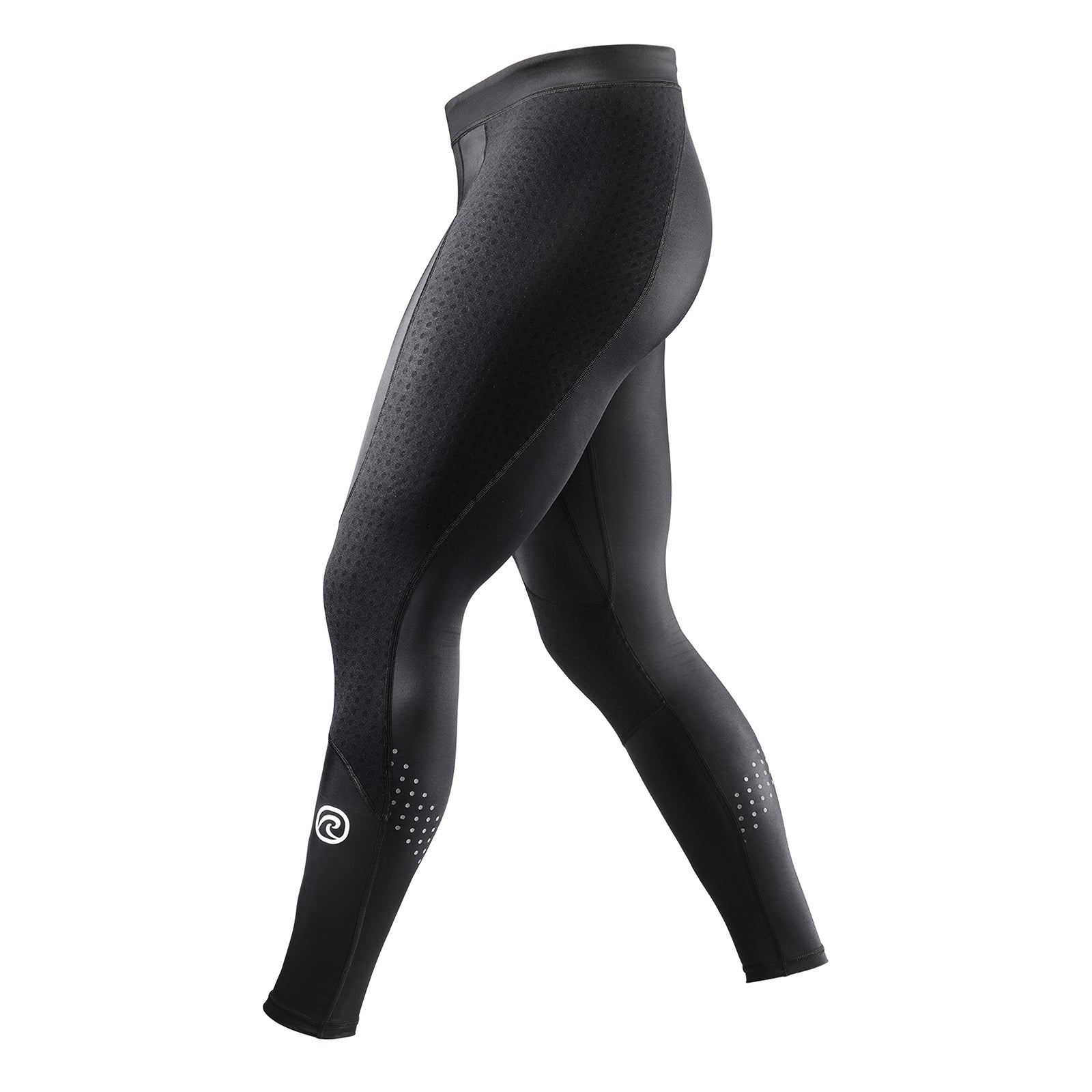
Real compression wear is anatomically shaped elastic clothing with a slim fit that applies pressure to the body. The limit for real compression wear is 18mmHg of pressure against the body. If you’ve tried real compression, you’ll know what it is. It’s important to find the right compression and size that fits you, and to remember that it’s a bit unusual feeling at first, which takes some getting used to.
4. I’ve heard there is no research to support the benefits of compression wear.
There are several studies supporting the individual effects of compression wear. However, there are 6-7 different main benefits of using compression wear when working out, and to this date, there is still no research that supports all of the benefits at the same time. This is due to the fact that compression is still fairly new within sports. The use of compression wear within sports has grown thanks to the users and not to research. Even though more research is bound to be presented soon as more and more people start using compression in sports.
5. Aren’t the positive effects people are claiming with compression wear just due to placebo?
The sense of gaining more strength and stability because of the applied pressure is due to the fact that compression wear really does give you better body control. The muscles are better held together. They don’t vibrate when you run, meaning that you are using less energy. You can focus more on what you are doing without wasting energy on keeping your body together, which means that you have the energy to for example run longer.
6. I can understand the point of using compression tights on your whole legs, but do I really benefit from using compression shorts when out running?
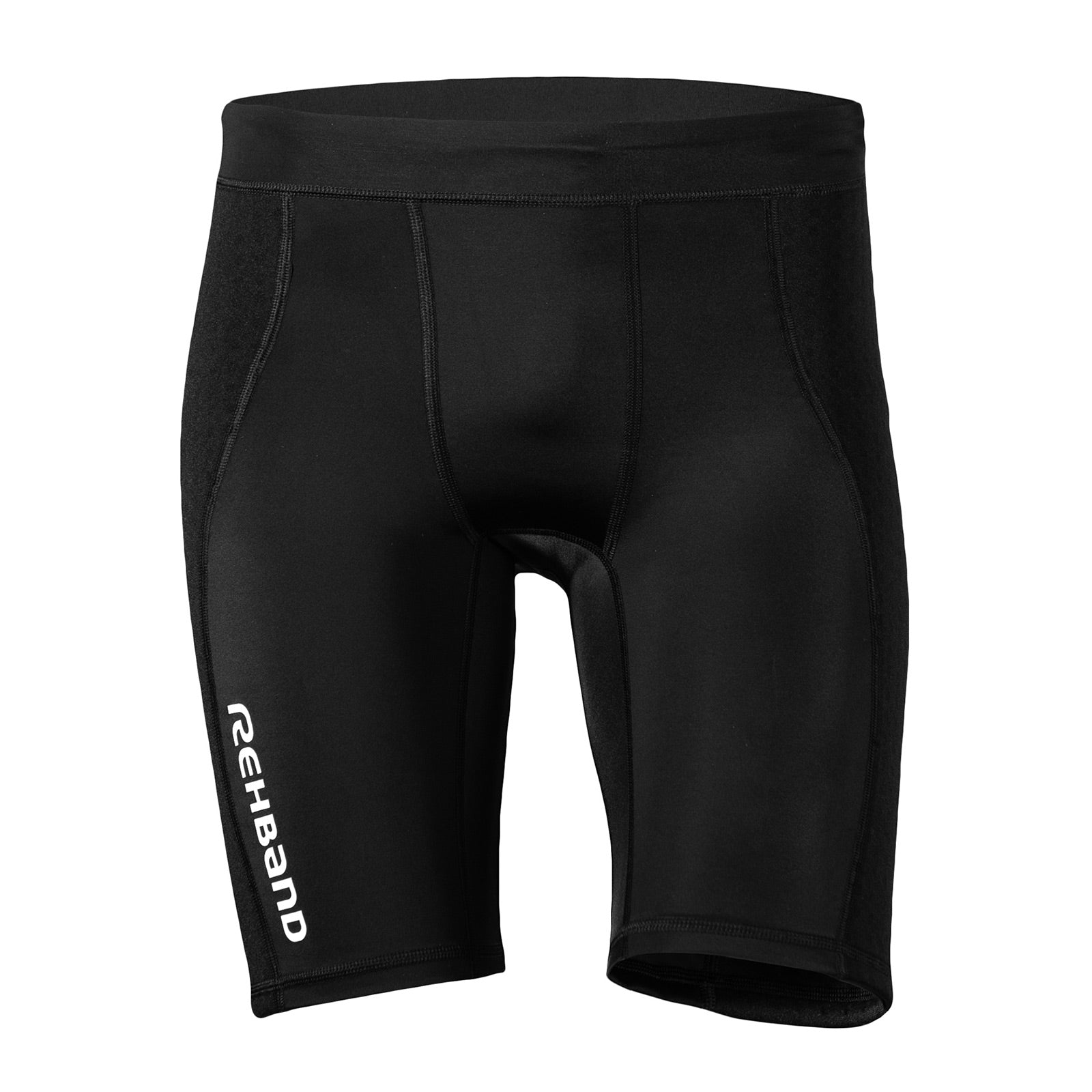
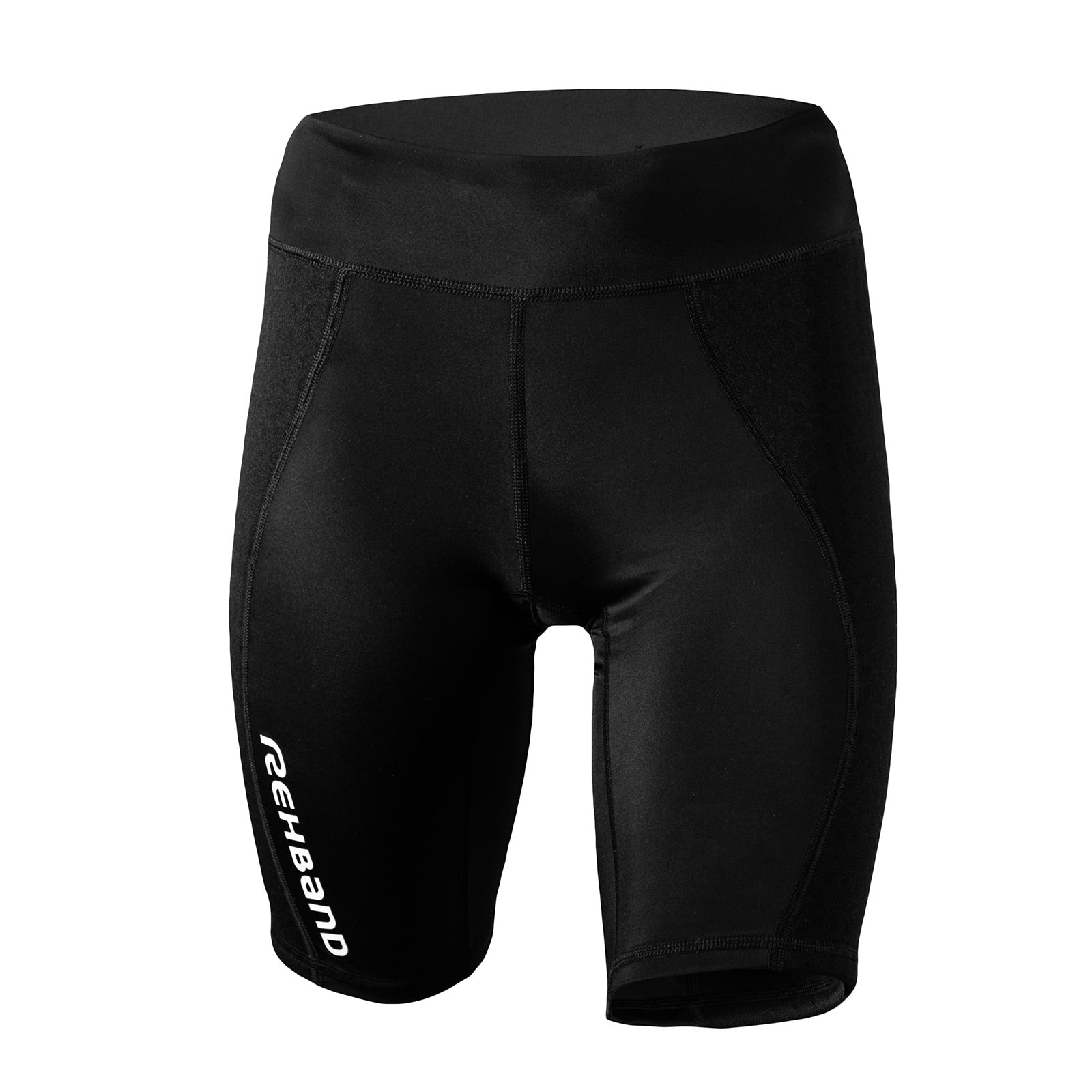
Even with shorts, the pressure you are applying to your thighs, hips and pelvis provide better control of your body, which is central when running.
7. Will some of my muscles get weaker because I’m not activating them when using compression wear?
With compression wear you are supporting your muscles, not deactivating them. The support will help you perform better and achieve more precise movements. When you are running for example, there is no point in taking flabby steps or becoming tired.
8. I’ve heard that it’s dangerous to use compression wear too much.
It’s not dangerous to use compression wear all the time, but in everyday situations you don’t really need increased stability and control of your movements. It’s more beneficial when working out, especially if you are trying to reach a certain goal. Using compression wear is just a way of helping the body to mobilize its muscles. As a physiotherapist, I oppose from people that say that it would be dangerous to use the extra support. You are not replacing any bodily function, you are just giving body parts more focus and input to be able to move in a more controlled manner.
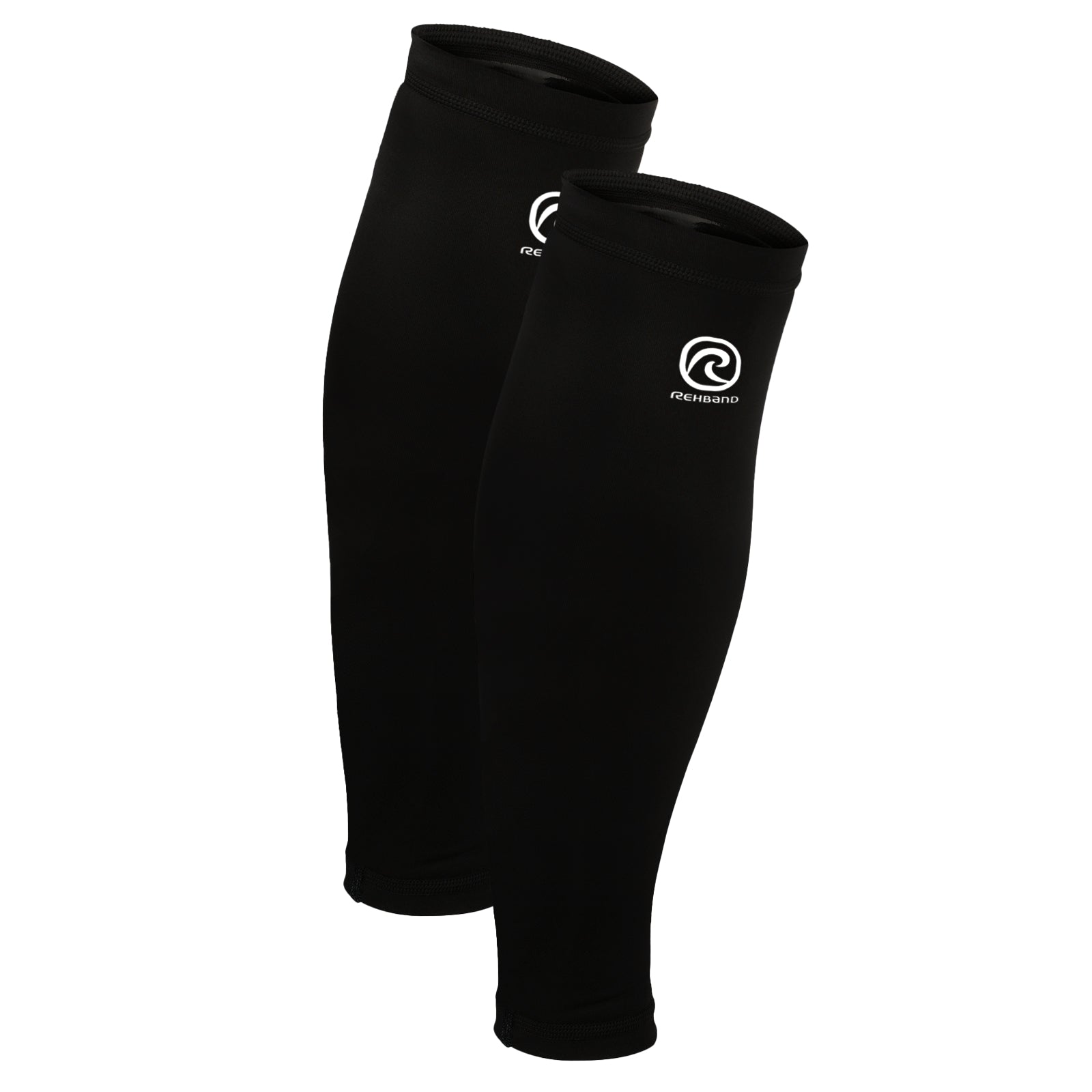
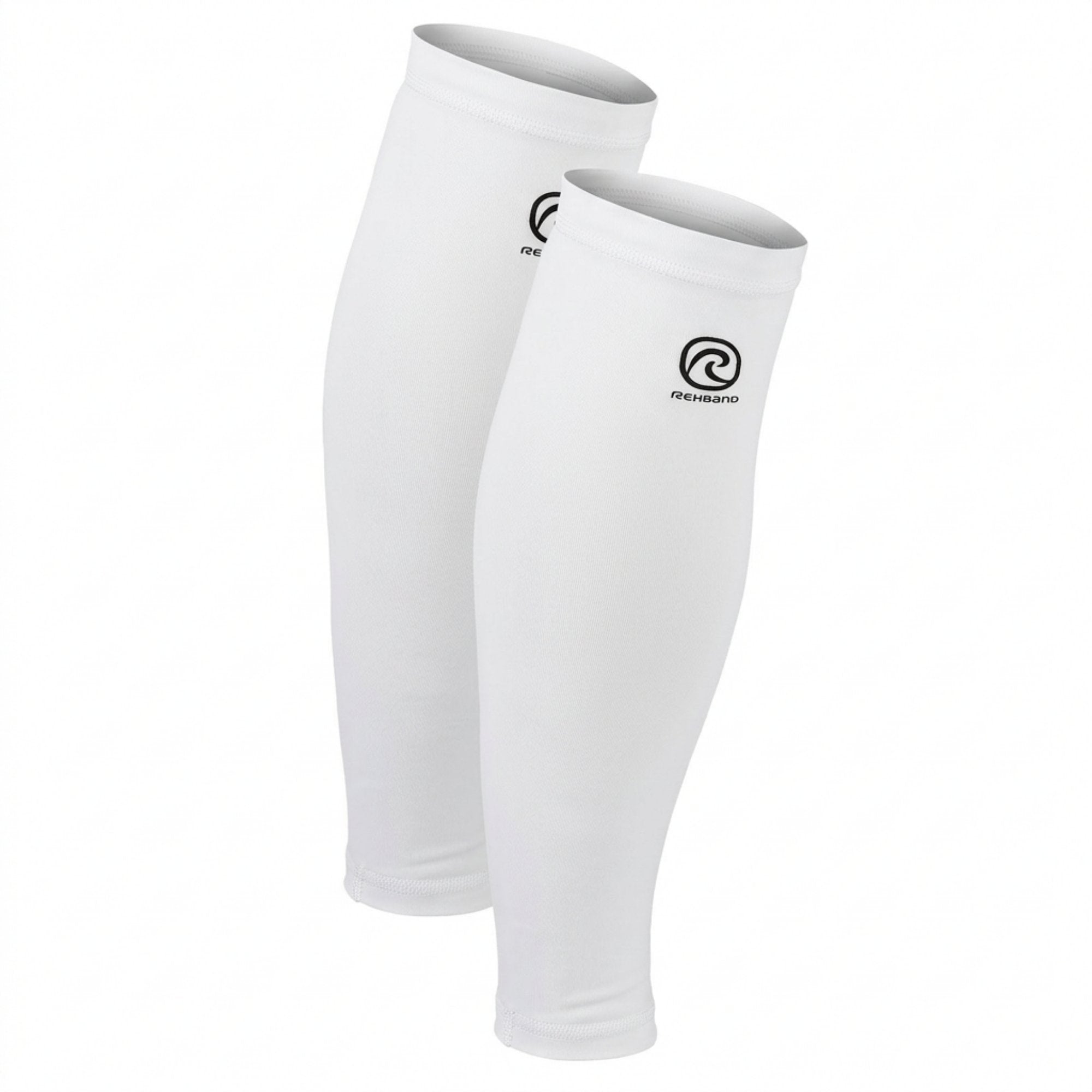
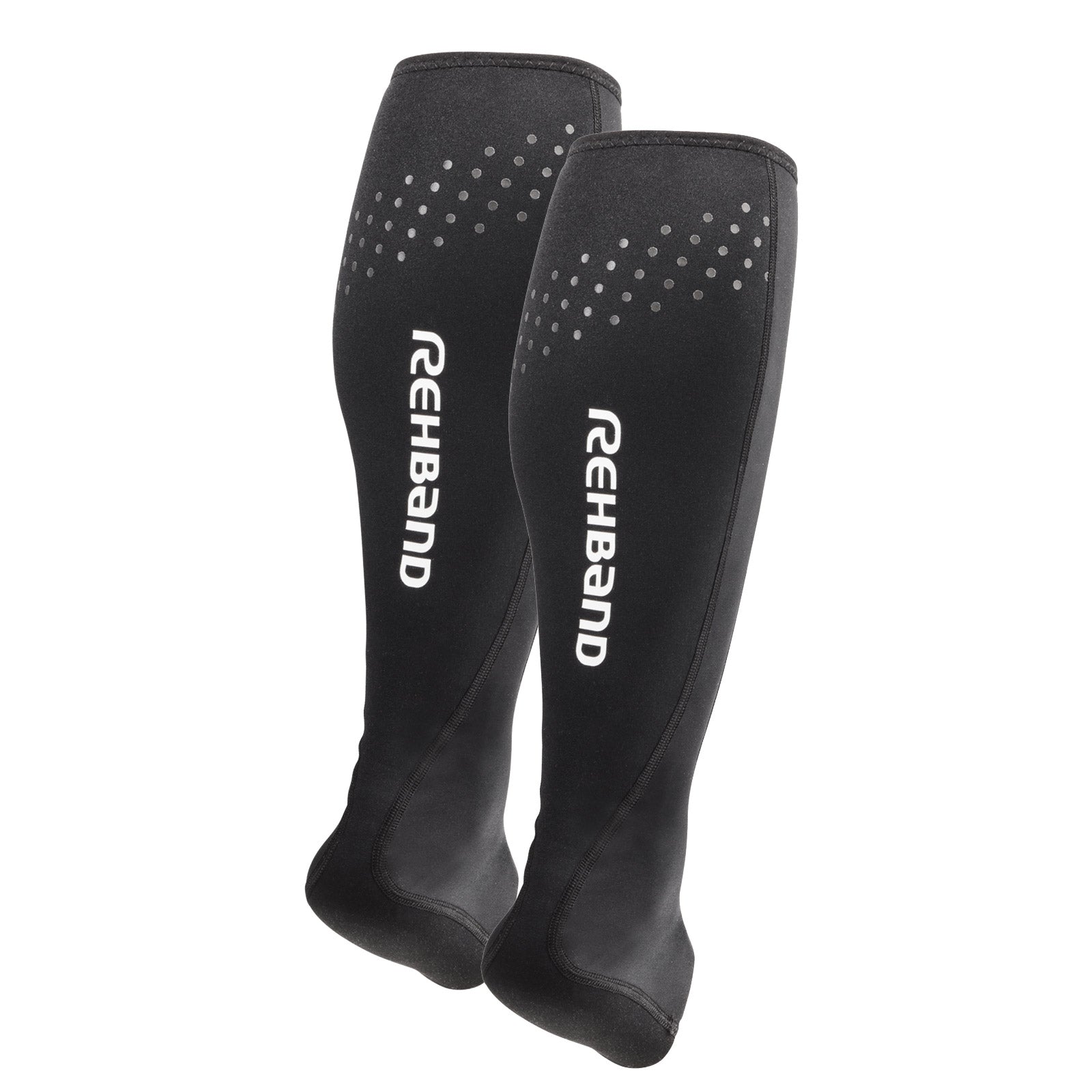
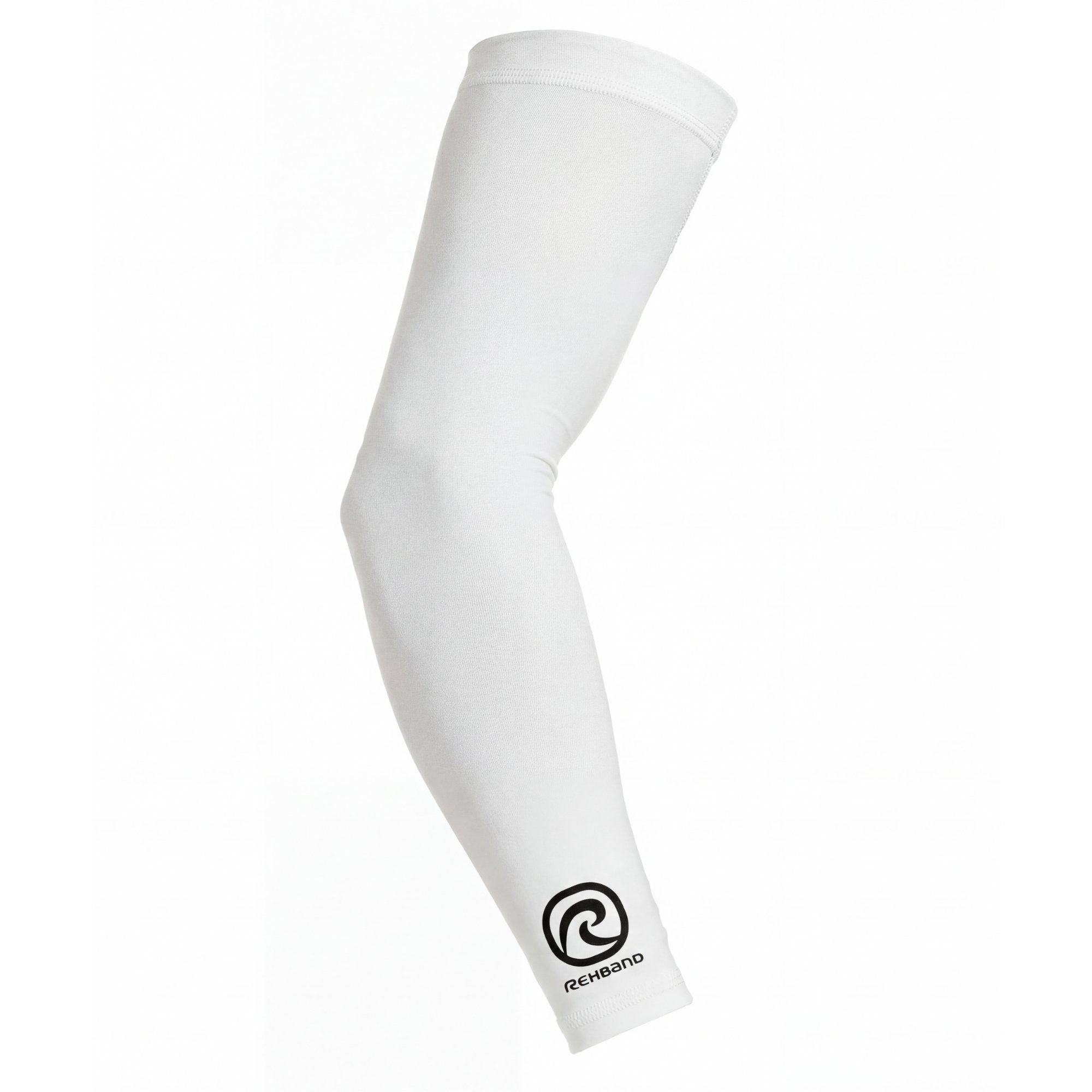
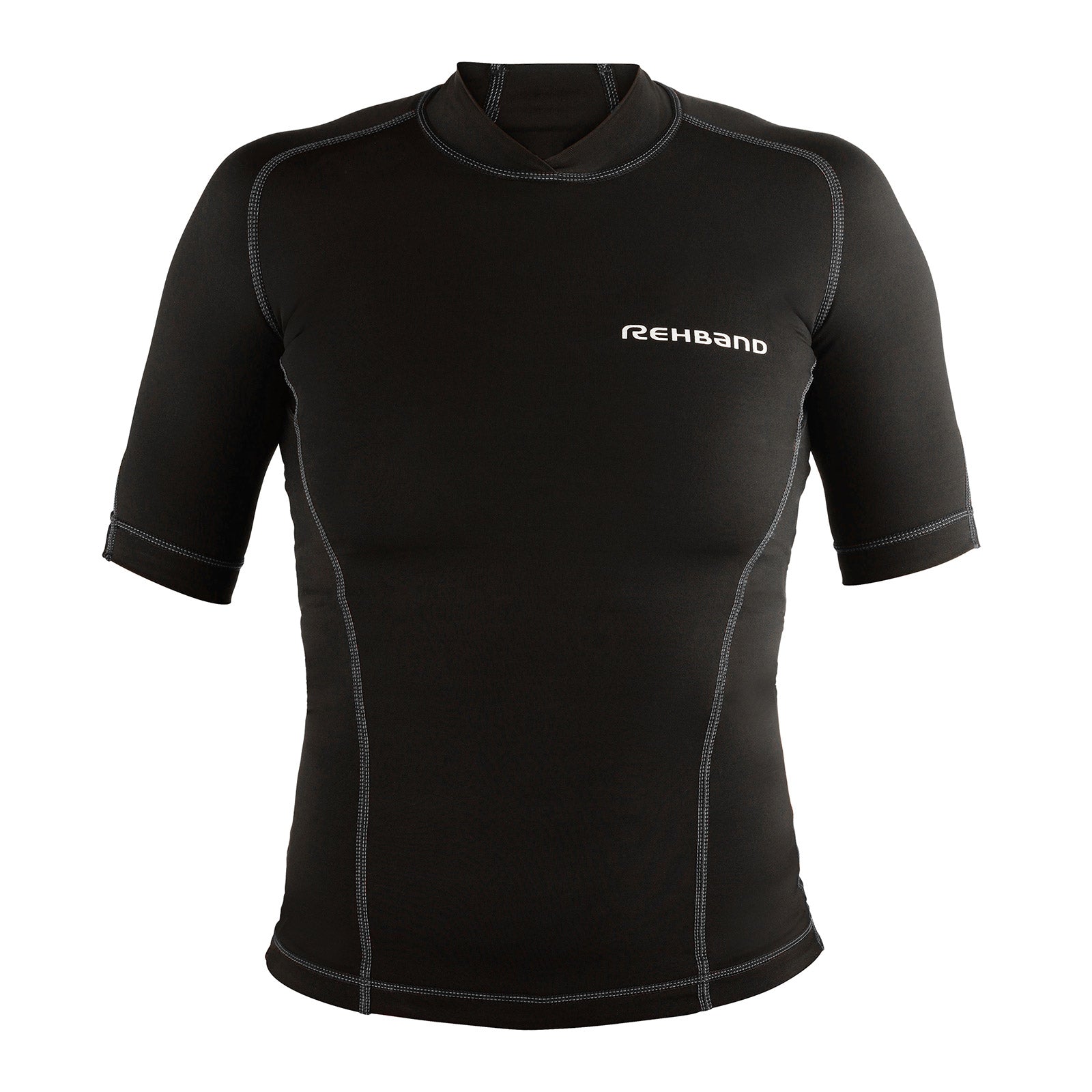
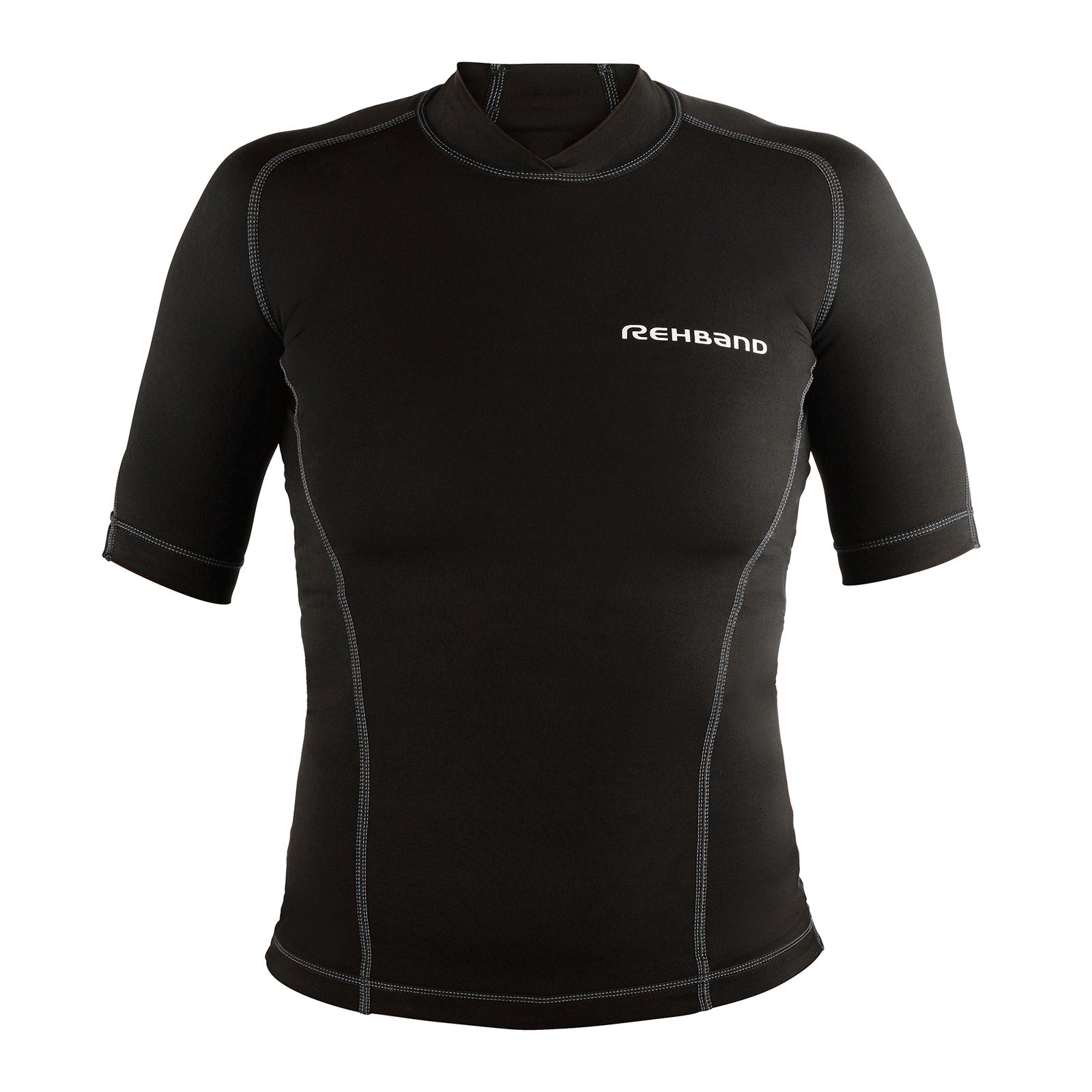
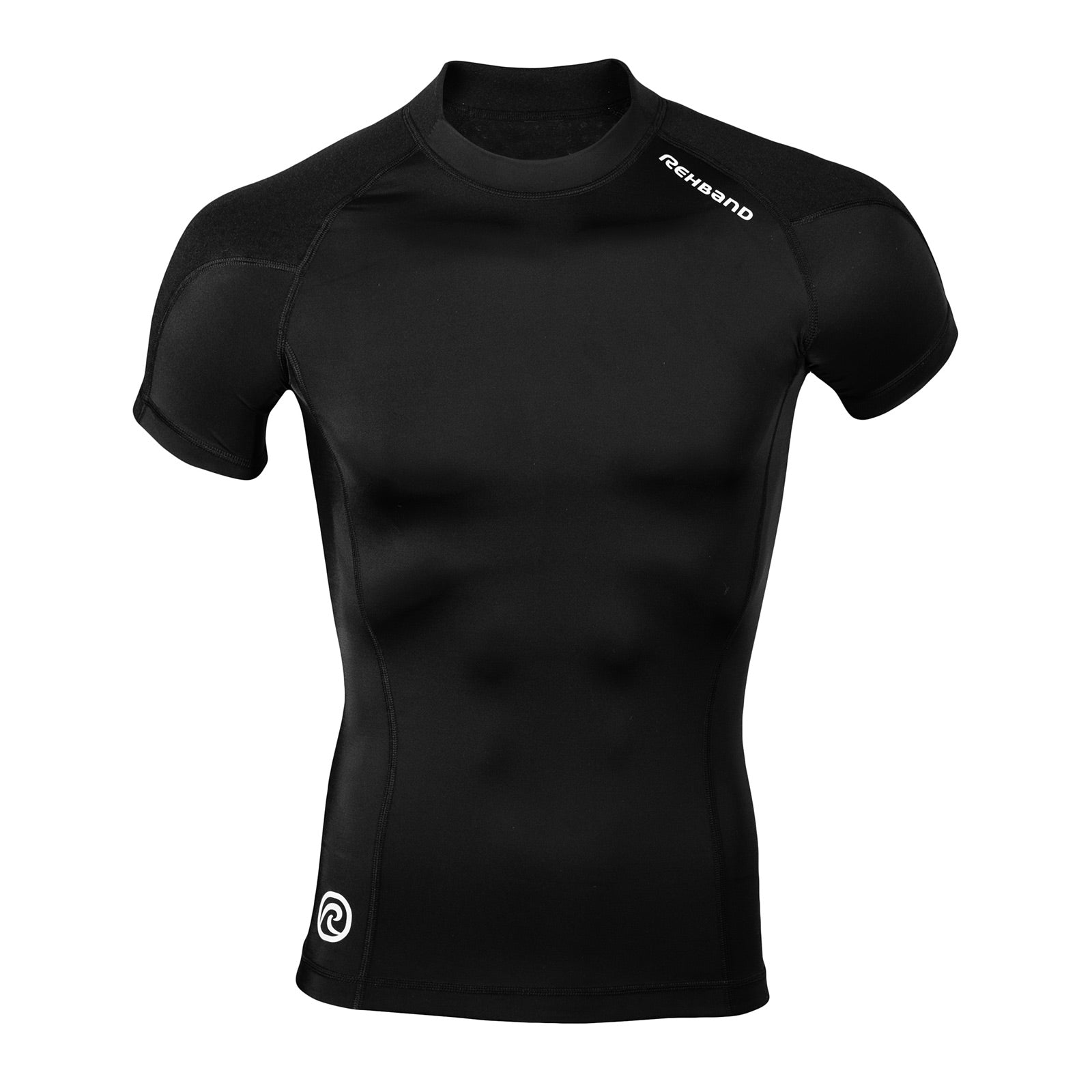
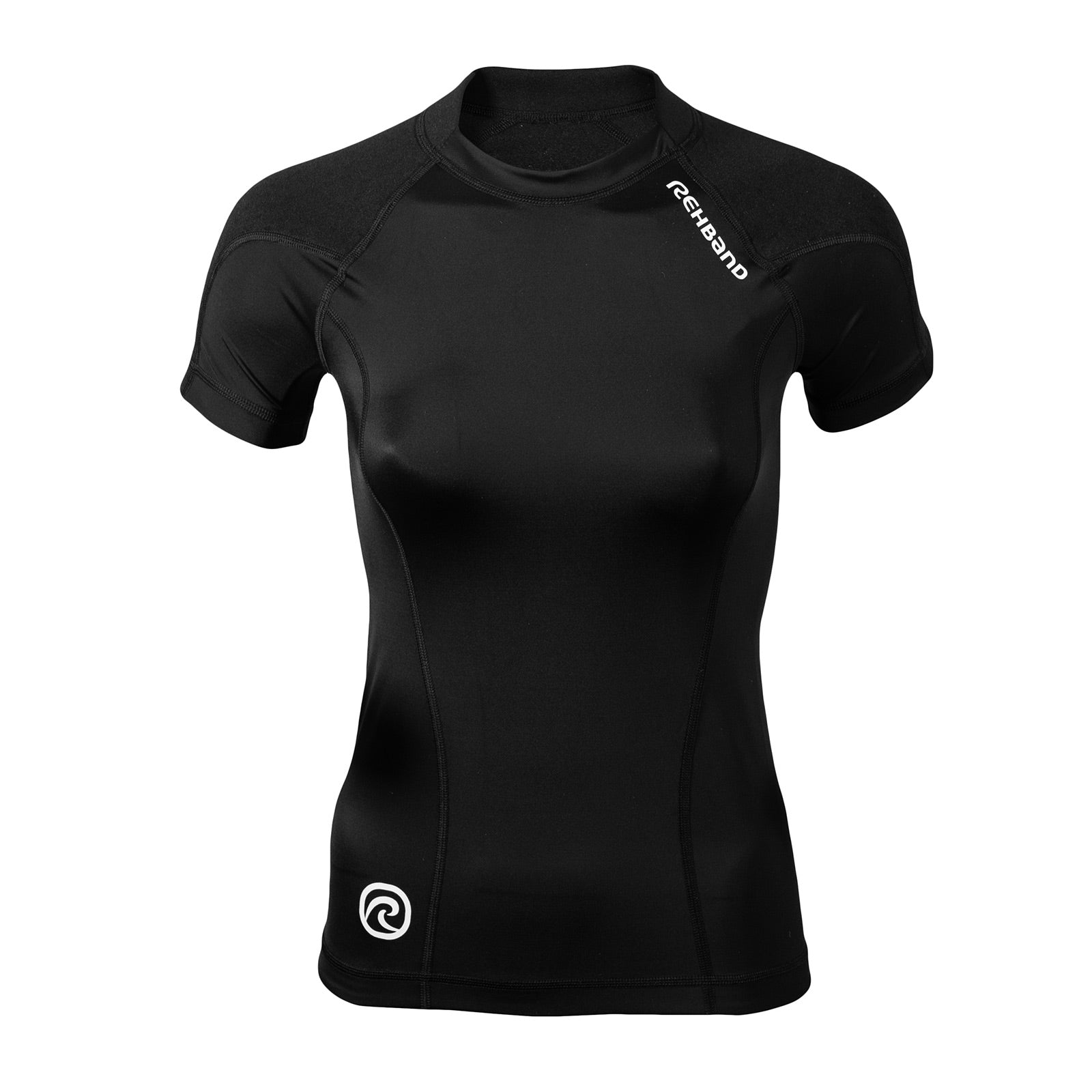
Here you’ll find a selection of Rehband compression wear:
Filters
19 products