Understanding Thumb Osteoarthritis

Thumb osteoarthritis – also known as basal joint or CMC osteoarthritis – affects the carpometacarpal (CMC) joint at the base of the thumb. This joint enables the wide range of thumb movements that gripping, pinching and grasping depend on. Over time, the cartilage cushioning the ends of the bones in this joint can deteriorate. As the cartilage wears away, the bones may rub directly against each other, causing pain, swelling and reduced motion.

Thumb osteoarthritis is particularly prevalent among women over 40, although it can affect anyone. Factors such as joint overuse, previous injuries or a genetic predisposition can increase the risk of developing it. Because the thumb, wrist and forearm work together in every grip, the same repetitive loading can also irritate the tendons on the outside of the elbow, as seen in tennis elbow.

Impact on Daily Activities and Sports

For anyone in sports or activities that demand a strong grip and fine motor control, thumb osteoarthritis can be particularly debilitating. The pain and stiffness can hinder performance in sports such as tennis, golf or climbing, where thumb strength and flexibility are crucial. Even routine tasks such as opening jars, turning doorknobs or writing can become challenging.

Early symptoms include discomfort during or after use of the thumb, a decrease in grip strength or noticeable swelling at the base of the thumb. As the condition progresses, a bony prominence may develop over the joint and the thumb may gradually shift out of its normal position, further limiting function.

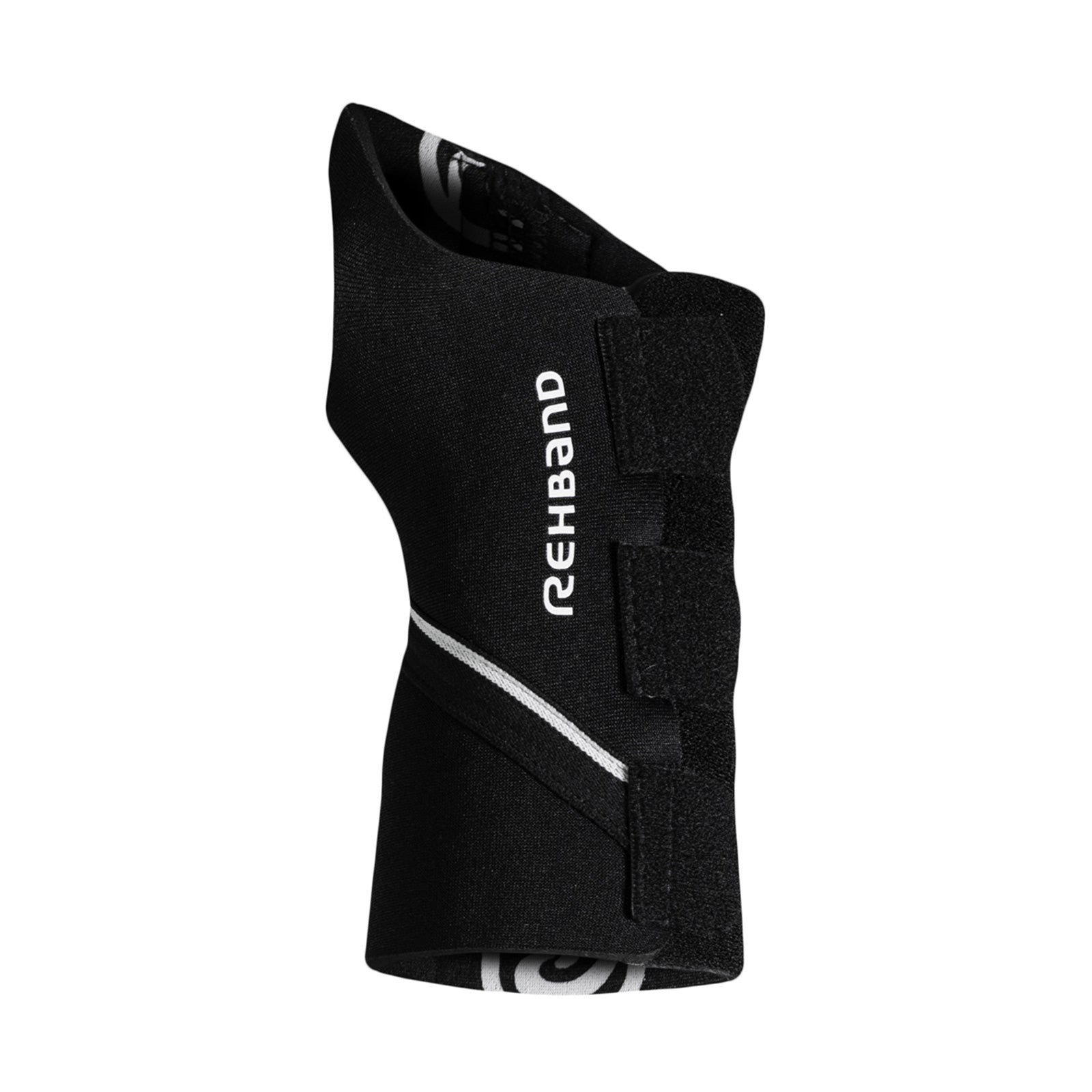
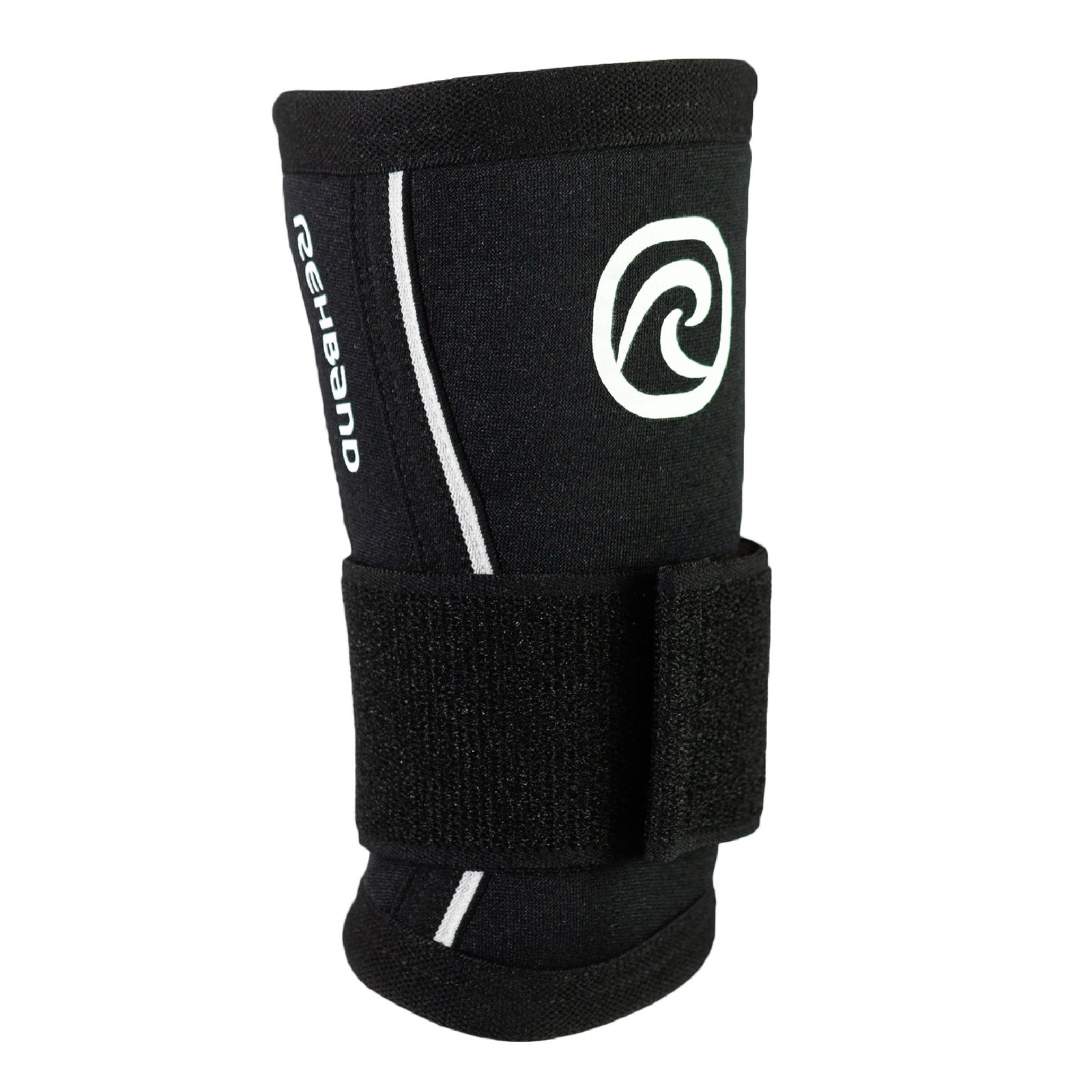
Recognising these signs early and seeking appropriate treatment helps manage symptoms and maintain an active lifestyle. Alongside medical treatment, a thumb and wrist support can relieve the joint during everyday tasks and training.

Possible Causes

  • Aging: Natural wear and tear of the joint over time
  • Previous injuries: Fractures or sprains to the thumb joint
  • Repetitive stress: Activities that overuse the thumb joint
  • Genetics: Family history of osteoarthritis

Symptoms

  • Pain at the base of the thumb, especially during gripping or pinching
  • Swelling and tenderness at the joint
  • Decreased strength and range of motion
  • Enlarged or bony appearance at the base of the thumb
  • Difficulty performing tasks requiring thumb opposition

Treatment

  • Nonsteroidal anti-inflammatory drugs (NSAIDs) to reduce pain and inflammation
  • Thumb splints or braces to immobilize and support the joint
  • Corticosteroid injections for temporary relief
  • Physical therapy to strengthen surrounding muscles and improve flexibility

Disclaimer: No Medical Advice
The content on this website is for general informational purposes only and does not constitute medical advice, diagnosis, or treatment. Always seek the advice of your physician or another qualified health provider with any questions you may have regarding a medical condition or injury.
While we strive to provide accurate and up-to-date information, we make no warranties regarding the completeness, accuracy, or reliability of the content. Use of this information is at your own risk.
In case of acute pain, persistent complaints or health emergencies, please contact medical professionals or the emergency services immediately.

6 Benefits of working out

An active lifestyle has a positive effect on your body in many ways. Regular exercise and sport have an impact on your immune system, your sleep and your mental well-being, among other things. Find out more about this topic in our article.

READ MORE!

Product Care

When you exercise, you sweat, which is why it is necessary to clean your equipment regularly. Are you wondering how to best care for your Rehband products? Here you will learn how to do it and how to get the most out of your Rehbands' lifespan.

LEARN MORE!