Climbing Support – Built for the Crux
Crimping small holds, pulling through dynamic moves and reaching overhead put concentrated stress on your fingers, elbows, wrists and shoulders. This collection focuses on the tape and supports that address exactly those stress points, from the first warm-up boulder to the last redpoint attempt.
Finger & Thumb – Tape for the Crux
RX Cross Tape – For Pulley and Joint Strain. A grid-pattern tape applied directly over sore finger joints and pulleys, helping ease tension and joint pain without restricting movement on the wall.
RX Kinesiology Tape – Classic Support Taping. Skin-friendly, elastic cotton tape that supports strained tendons and joints while keeping full range of motion — the standard choice for finger and joint taping.
RX Athletic Sports Tape – Maximum Protection Taping. Extra strong, non-stretch tape for rigid support and joint protection when you need a taping job to hold through a long, sweaty session.
RX Thumb Sleeves – Faster Than Taping. A quick pull-on alternative to tape that protects the thumb during crack climbing and repeated pinching, without the prep time of wrapping.
Which tape? Cross Tape and Kinesiology Tape both allow movement while easing strain — Cross Tape for targeted joint pain, Kinesiology Tape for broader tendon support. Athletic Sports Tape holds firm when you need maximum rigidity, and Thumb Sleeves skip the tape altogether for quick, repeatable protection.
Elbow & Wrist – Support for the Crimp
QD Elbow Sleeve – Everyday Elbow Support. Light 3mm neoprene sleeve for elbow warmth and compression — a simple option for climbers managing everyday elbow strain from repeated pulling.
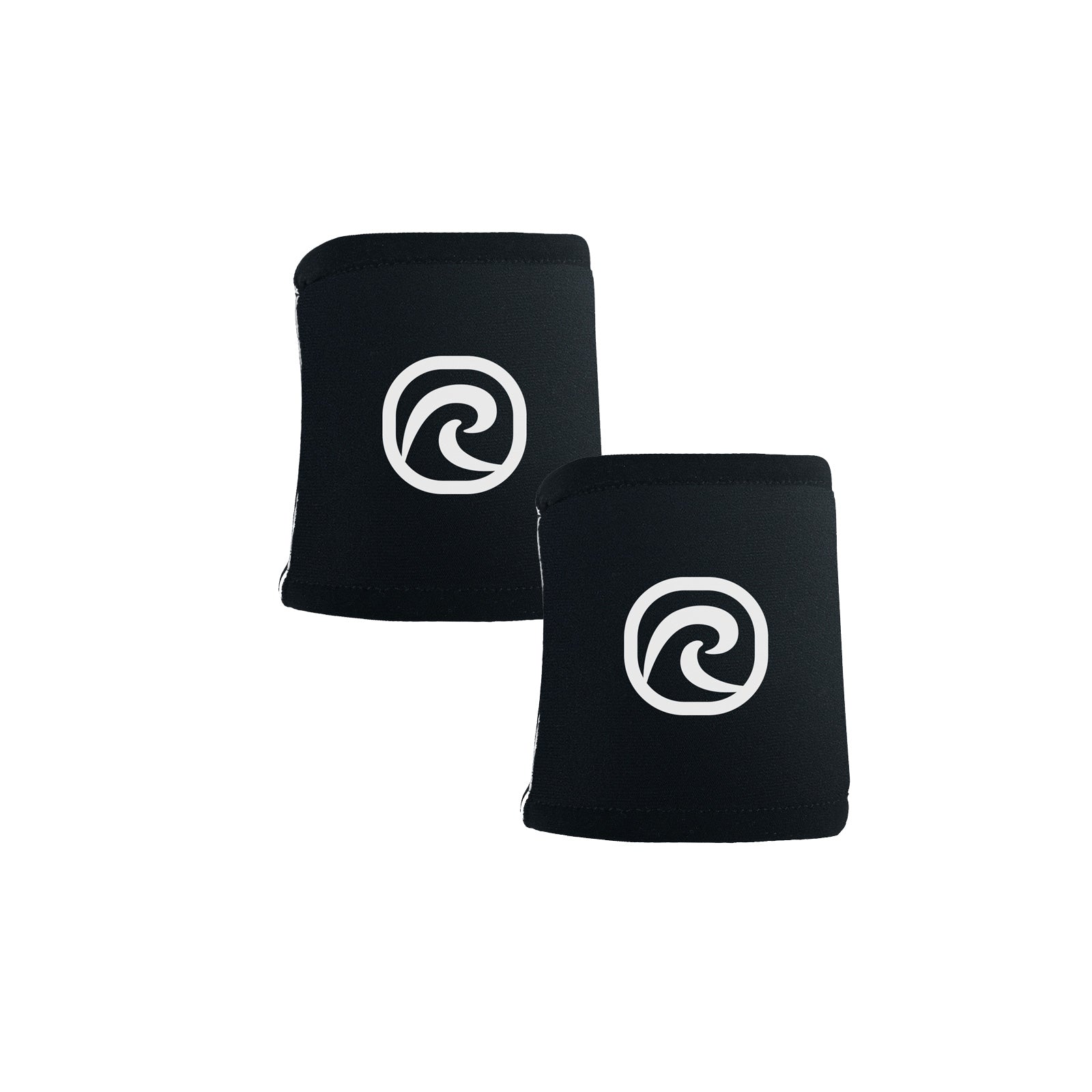
QD Wrist & Thumb Support – Light Grip Support. A slim 1.5mm support that stabilizes the wrist and thumb against the strain of crimping and repeated grip, without limiting hold feel.
RX Wrist Support 5mm – Stability for the Crimp. An anatomically shaped neoprene support with an open-grip design, giving the wrist warmth, compression and stability during long sessions without blocking finger feel.
Shoulder – Support for the Reach
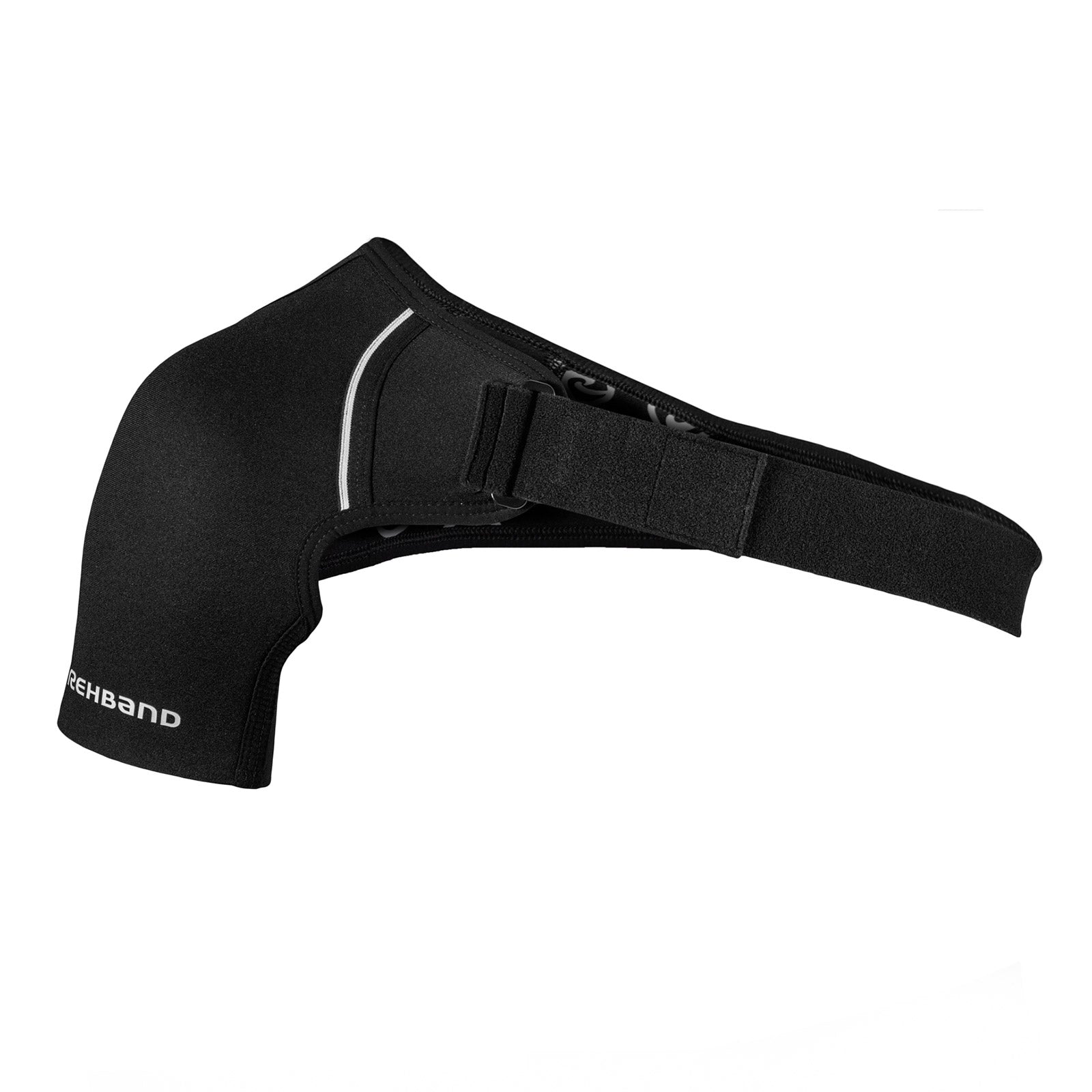
QD Shoulder Support – For Overhead Moves. Soft 3mm neoprene support that keeps the shoulder warm and lightly compressed through overhead reaches and dynamic moves, from the first boulder to the last route of the session.
Frequently Asked Questions (FAQ)
What's the difference between the Cross Tape, Kinesiology Tape and Athletic Sports Tape?
The Cross Tape is applied directly over sore joints and pulleys for targeted relief. The Kinesiology Tape gives broader elastic support to strained tendons while keeping full mobility. The Athletic Sports Tape is non-stretch and built for rigid, maximum-hold protection.
Do I need wrist support for climbing?
Not everyone does, but many climbers use it to manage strain from repeated crimping and grip loading. The QD Wrist & Thumb Support is a light option for everyday sessions, while the RX Wrist Support 5mm offers more warmth and stability for longer days on the wall.
What causes climber's elbow and how can I manage it?
Climber's elbow is overuse strain on the tendons around the elbow from repeated pulling and gripping. Warmth and light compression, such as the QD Elbow Sleeve, can help manage everyday strain — alongside rest and a gradual return to harder grips.